
Blogs
Detox is one of the most misunderstood words in wellness. Learn what detoxification actually means for your body, what supports it, and how Genesis Center for Women's Health can help in Roseville, CA.
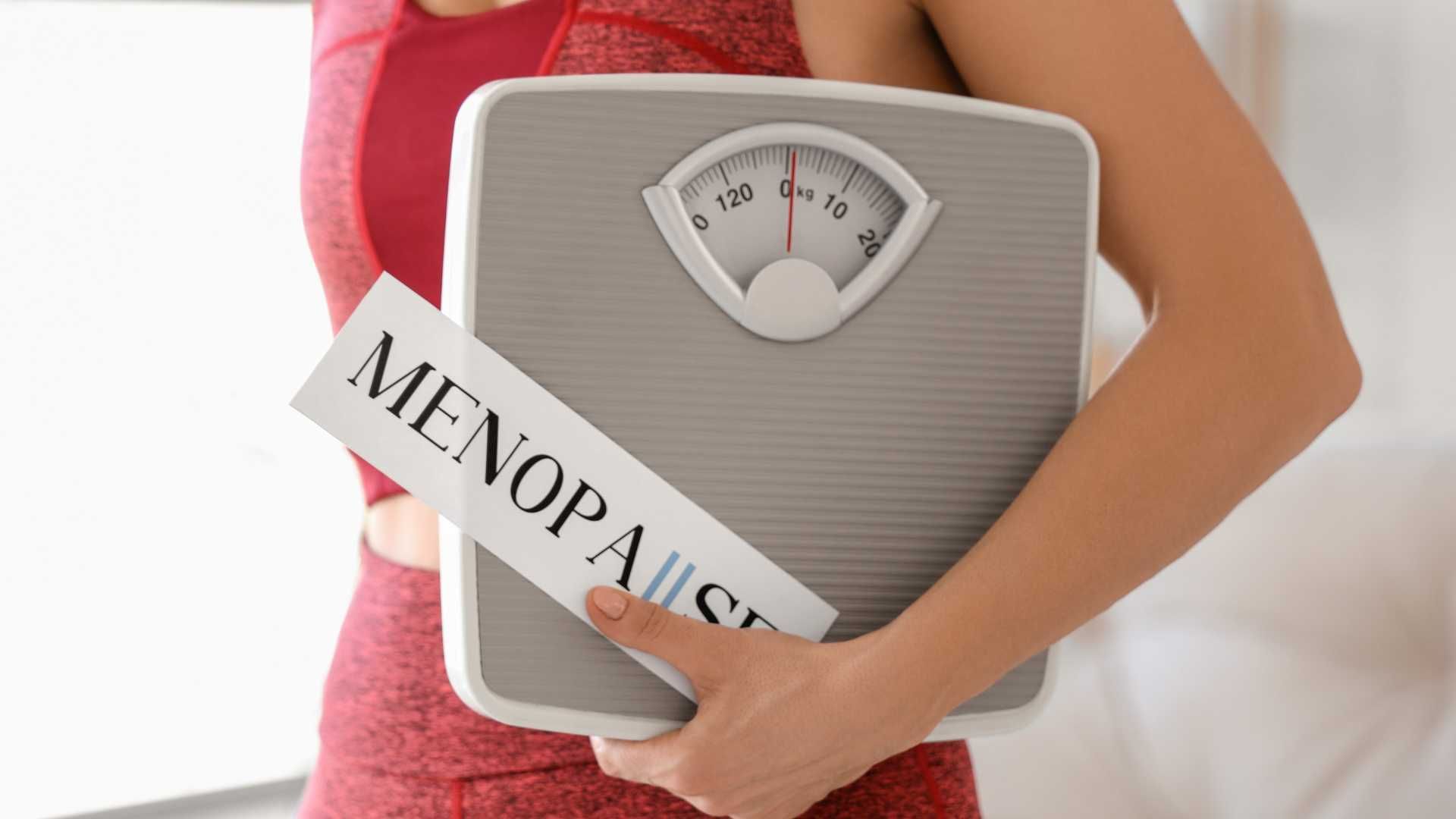
Key Points Menopause weight gain is real, common, and driven by hormonal shifts -- not personal failure Declining estrogen changes where and how the body stores fat, particularly around the abdomen Metabolism, insulin sensitivity, sleep, and muscle mass all shift during this transition Generic diet advice often fails during menopause because the rules genuinely change The Genesis Wellness program in Roseville, CA offers personalized, hormone-aware support for women navigating this transition You Haven't Changed That Much. So Why Has Your Body? You're eating the way you always have. You're moving your body. You're doing what worked before. And yet the scale keeps creeping up, your clothes fit differently, and the weight seems to be settling right in the middle in a way it never did before. If this sounds familiar, you are not alone -- and more importantly, you are not doing anything wrong. Menopause weight gain is one of the most common concerns women bring to their providers during the menopausal transition, and it is also one of the most misunderstood. It is not simply about eating too much or moving too little. It is a physiological shift driven by real hormonal changes that affect how your body processes energy, stores fat, builds muscle, and regulates metabolism. Understanding what's actually happening is the first step toward doing something effective about it. At Genesis Center for Women's Health , we work with women every day who are frustrated by changes in their body that conventional advice has completely failed to address. This post is for them -- and for you.
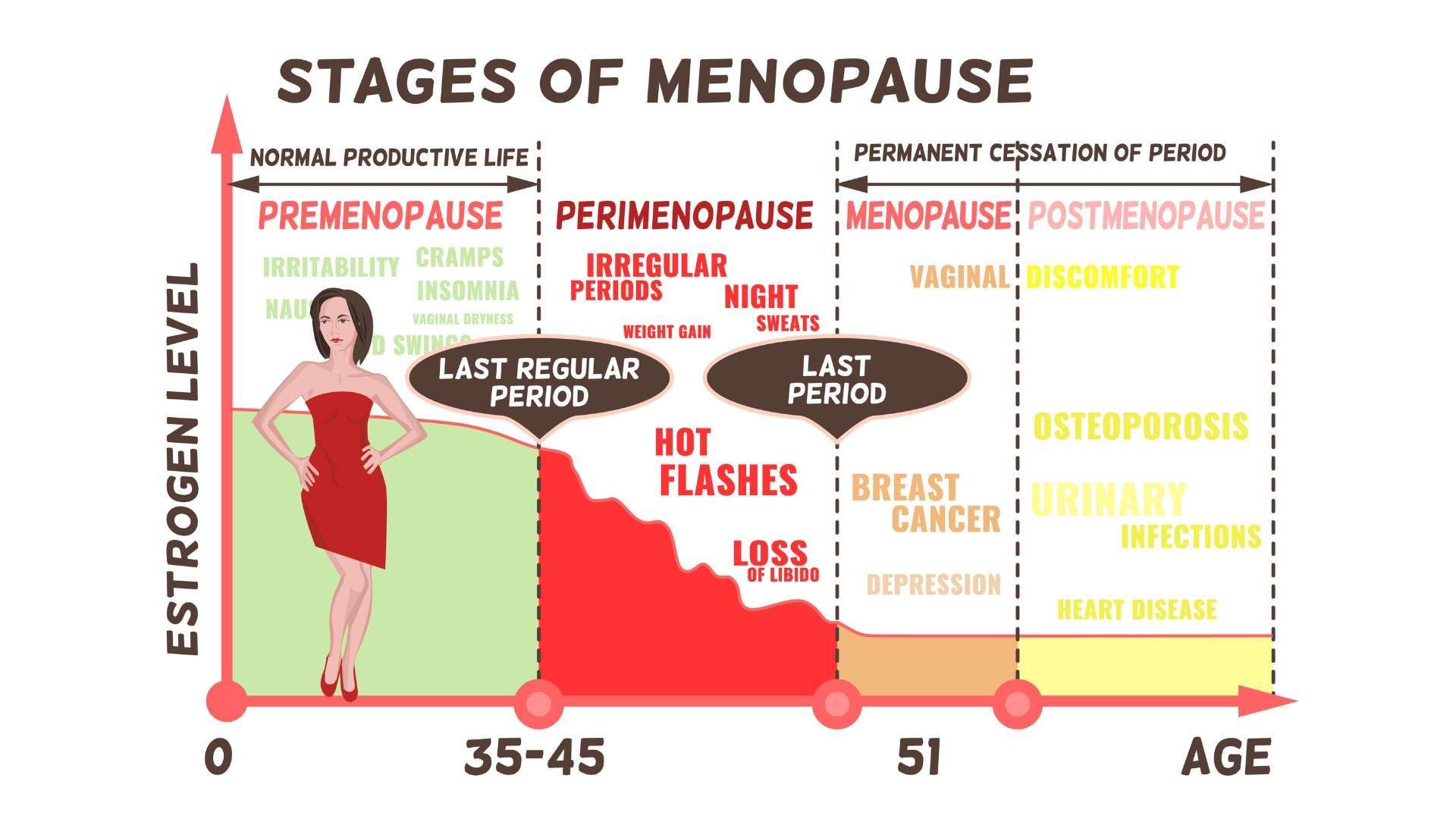
Hot flashes, mood swings, irregular periods, and more -- learn what perimenopause symptoms actually feel like and how Genesis Center for Women's Health in Roseville, CA can help you navigate this transition with confidence.
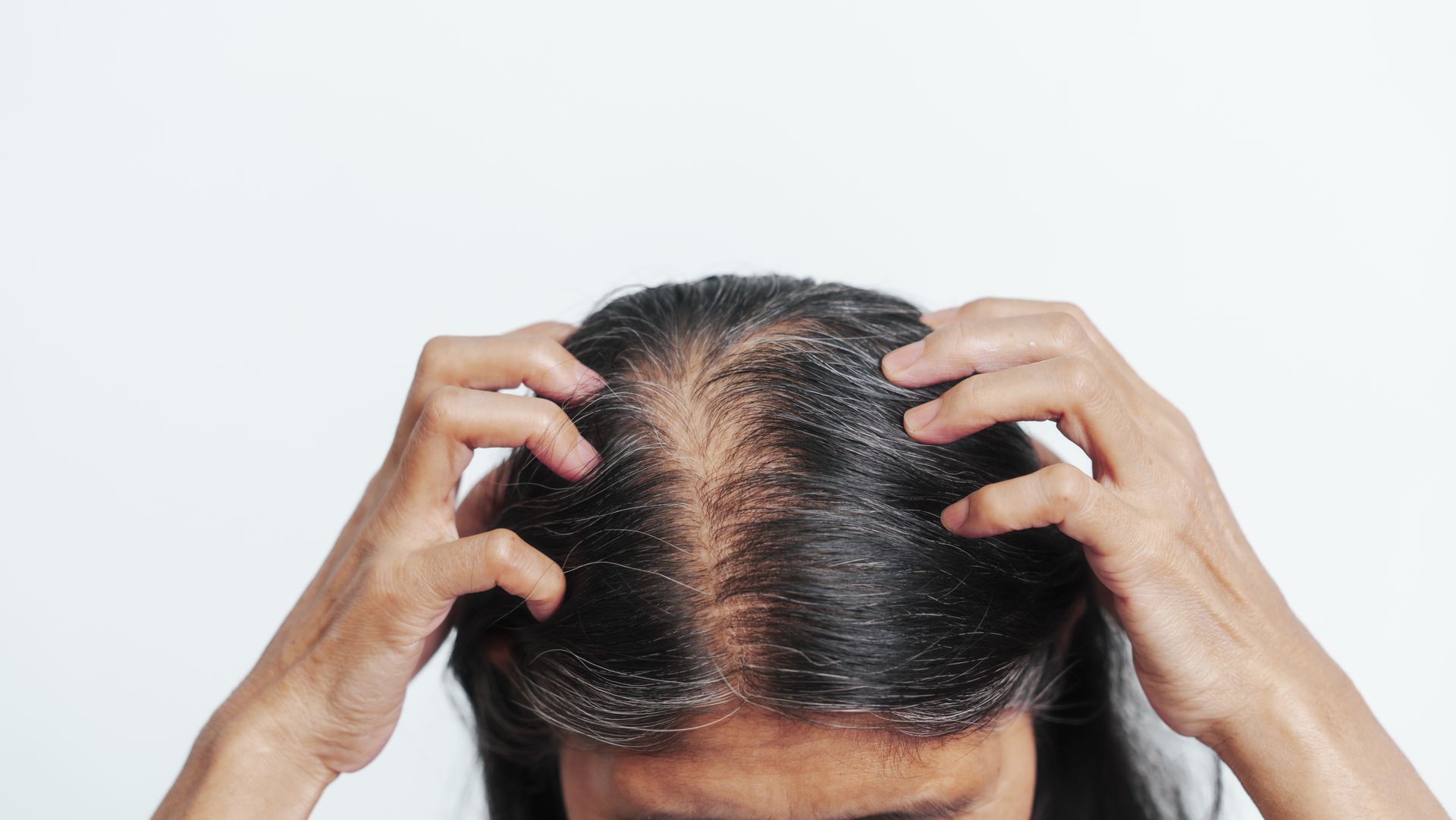
Hair thinning is more common in women than most people realize. Learn how the Xtresse Hair Therapy System works at the cellular level to support real hair regrowth -- now available at Genesis Center for Women's Health in Roseville, CA.

Wondering if nutrition coaching is worth it? Learn what a women's nutrition coaching program actually involves and how Genesis Center for Women's Health can help you feel your best.
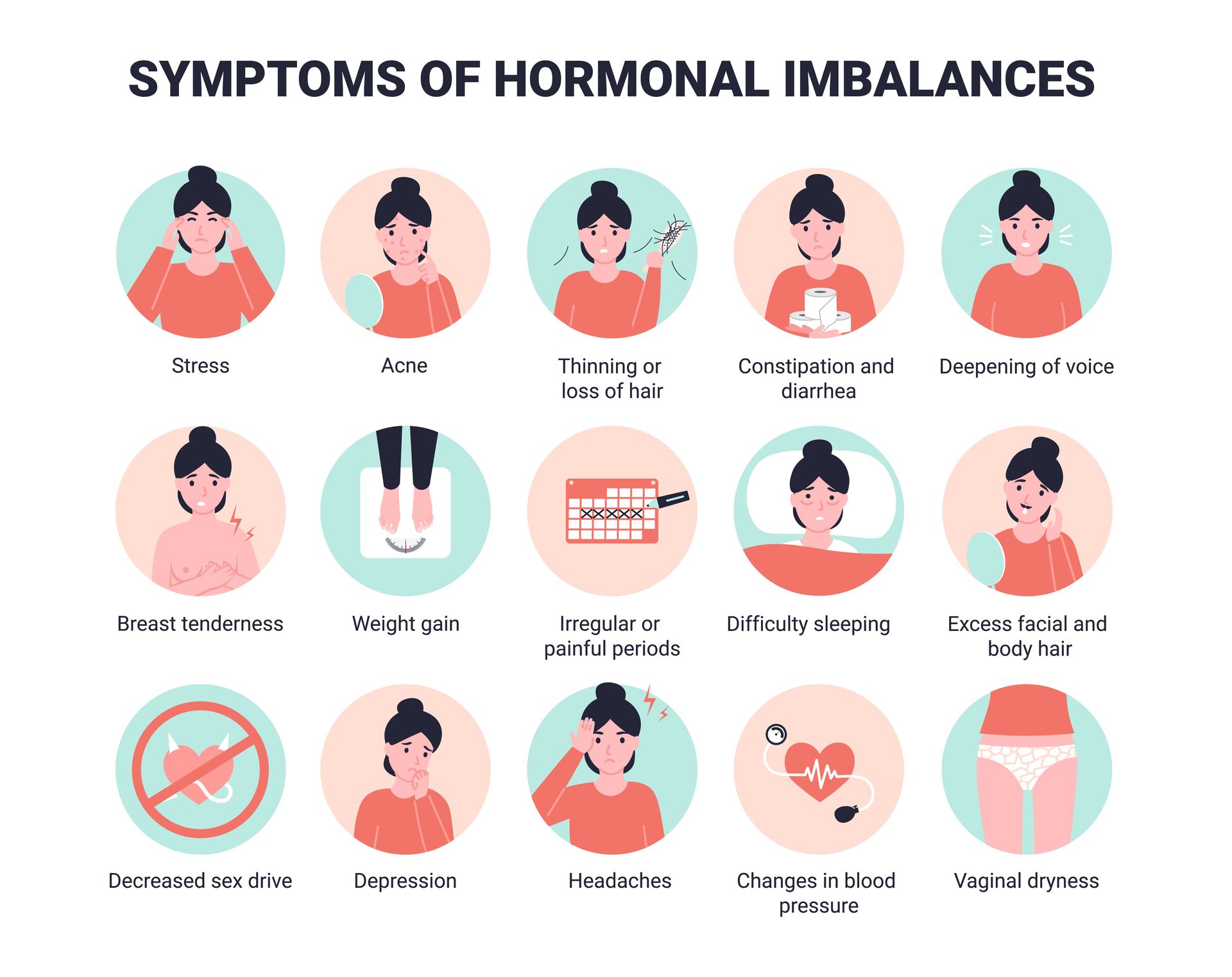
Fatigue, mood swings, weight changes, and more -- learn the most common hormone imbalance symptoms in women and find out how Genesis Center for Women's Health can help.

Discover the Women’s Wellness Program in Roseville, CA — a physician-led, preventive care approach to hormonal health, weight management & lifestyle support.
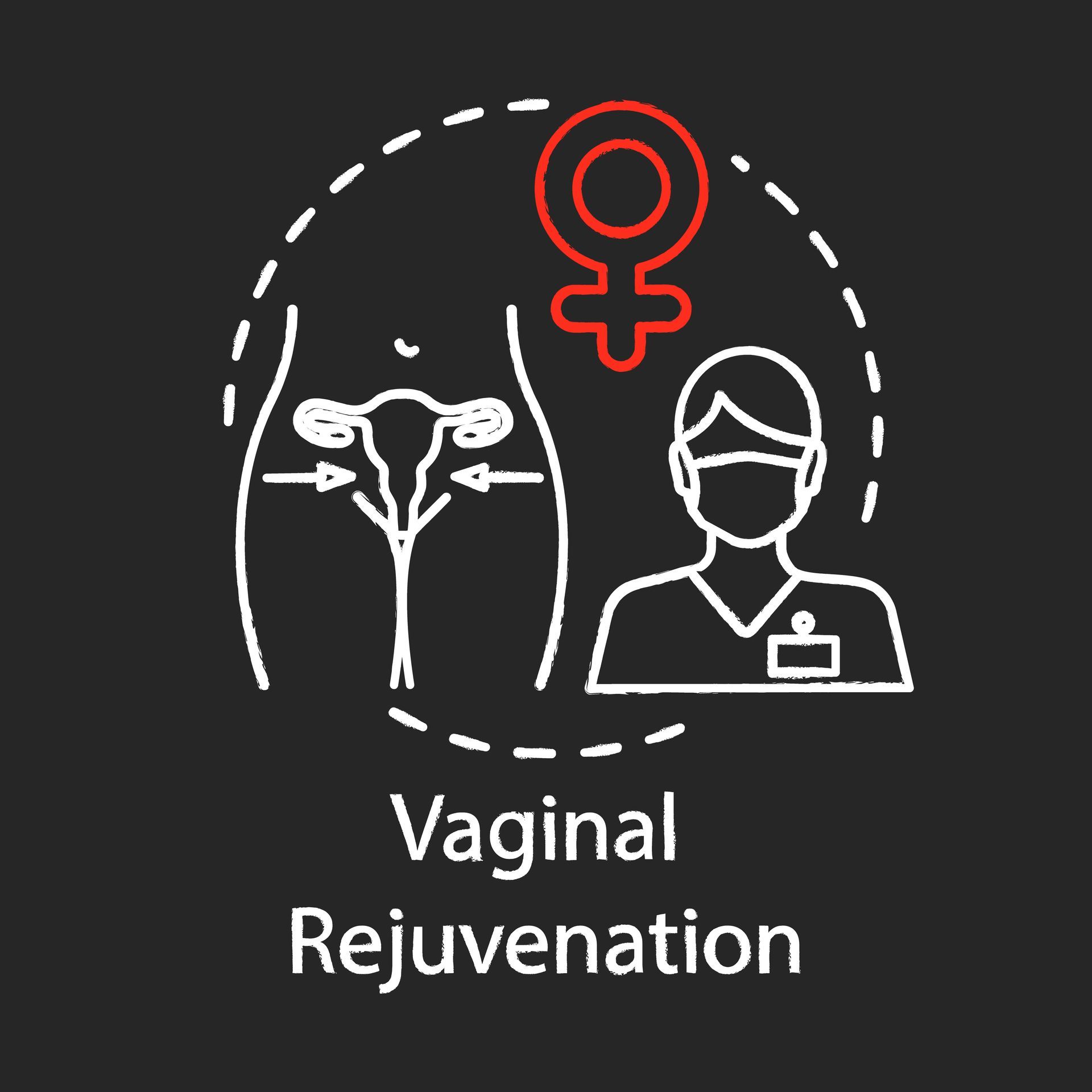
Curious about MonaLisa Touch? Learn how this gentle laser treatment can relieve vaginal dryness, discomfort, and other common symptoms with no hormones and no surgery required.

Learn how detox, fitness, nutrition, hormone balance, and mentoring work together to support weight management, energy, and long-term health for women at every stage of life.