
Sleep and Hormones: Why Poor Sleep Wrecks Your Health and What to Do About It
Medically reviewed by the medical team at Genesis Center for Women's Health | October, 2026
Key Points
- Sleep and hormonal health are deeply and bidirectionally connected -- each one directly affects the other.
- Poor sleep disrupts cortisol, insulin, estrogen, progesterone, thyroid hormones, and hunger hormones all at once.
- Women are disproportionately affected by sleep disruption, particularly during perimenopause and menopause.
- Treating sleep problems with hormonal and lifestyle support is far more effective than relying on sleep aids alone.
- Genesis Center for Women's Health addresses sleep as an integral part of the whole-body wellness program in Roseville, CA.
You're tired all day. You finally get into bed. And then nothing. Or you fall asleep fine and wake up at 2am with your mind racing and your body wide awake. Or you sleep a full eight hours and still feel like you haven't rested at all.
Sleep problems in women are extraordinarily common -- and extraordinarily underaddressed. They get managed with melatonin, sleep aids, or a recommendation to reduce stress, without anyone asking the more important question: why is this happening in the first place?
For a huge number of women, the answer is hormones.
Sleep and hormonal health are not separate issues. They are deeply, bidirectionally connected in ways that most standard medical appointments simply don't have the time to unpack. When your hormones are off, your sleep suffers. When your sleep suffers, your hormones get further disrupted. And the cycle compounds quietly, affecting your energy, your mood, your weight, your metabolism, and your long-term health in ways that go far beyond feeling tired.
At Genesis Center for Women's Health, sleep is not a footnote in our wellness conversations. It is a central pillar of whole-body health -- and one we take seriously as part of our integrated approach to women's wellness in Roseville, CA.
Why Sleep Matters More Than Most People Realize
Sleep is not passive downtime. While you sleep, your body is doing some of its most important work -- repairing tissue, consolidating memory, regulating immune function, clearing cellular waste through the brain's glymphatic system, and resetting the hormonal signals that govern nearly every aspect of how you feel and function during the day.
When sleep is consistently disrupted or insufficient, none of these processes happen the way they should. And the downstream effects are significant.
The Brain Needs Sleep to Clear Waste
The glymphatic system -- the brain's waste clearance network -- is primarily active during deep sleep. It flushes out metabolic byproducts that accumulate during waking hours, including compounds associated with cognitive decline when they build up over time. Chronic poor sleep means this system can't do its job, contributing to the brain fog, memory lapses, and mental sluggishness that so many women report.
The Body Repairs and Rebuilds During Sleep
Growth hormone, which supports tissue repair, muscle maintenance, and cellular regeneration, is released primarily during deep sleep. Women who are consistently missing deep sleep stages are missing a significant portion of their body's nightly repair window -- which matters enormously for energy, recovery, body composition, and long-term health.
Immune Function Depends on Adequate Sleep
Sleep is when the immune system does much of its regulatory work. Chronic sleep deprivation suppresses immune function, increases systemic inflammation, and reduces the body's ability to respond to pathogens and repair cellular damage. Inflammation, in turn, disrupts hormonal signaling and contributes to nearly every chronic health condition.
How Hormones Affect Sleep
This is where things get particularly relevant for women. Several key hormones directly regulate sleep quality, sleep architecture, and the ability to fall and stay asleep -- and women experience significant fluctuations in these hormones across their lifetimes.
Progesterone
Progesterone is often called the calming hormone, and for good reason. It has a natural sedative effect, promoting relaxation and supporting the ability to fall asleep and stay in deeper sleep stages. Progesterone levels decline significantly during the luteal phase of the menstrual cycle, during perimenopause, and after menopause -- which is precisely when many women report their most significant sleep difficulties.
Low progesterone is one of the most common and underrecognized contributors to sleep disruption in women. When progesterone drops, the calming signal it provides to the nervous system drops with it.
Estrogen
Estrogen influences sleep in multiple ways. It affects the regulation of serotonin and other neurotransmitters that support mood and sleep. It plays a role in temperature regulation -- which is why declining estrogen during perimenopause triggers hot flashes and night sweats that fragment sleep so significantly. And it affects REM sleep architecture, with lower estrogen associated with less restorative sleep overall.
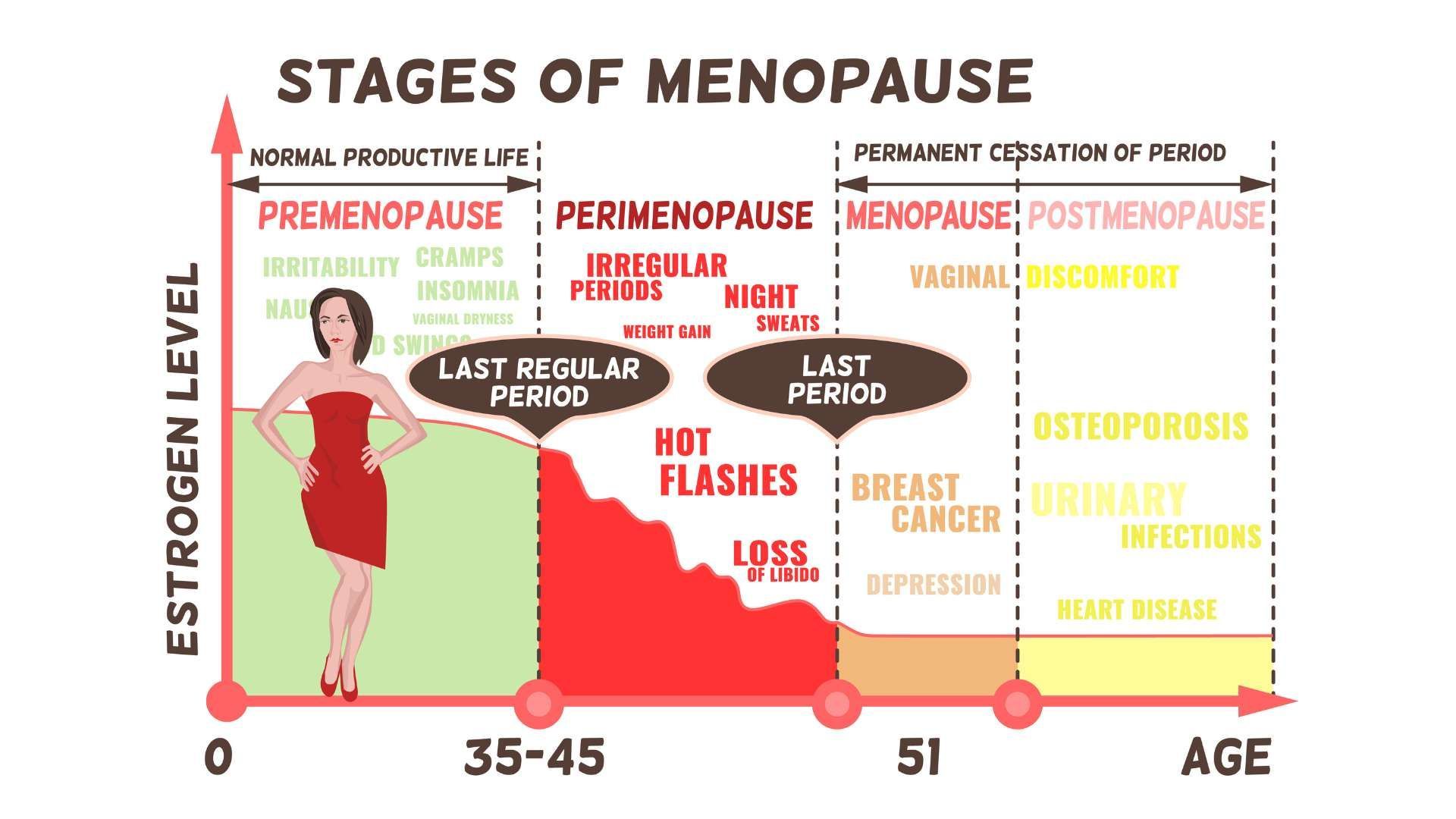
The hormonal fluctuations of perimenopause create a particularly disruptive combination: estrogen swings trigger night sweats and temperature dysregulation, while declining progesterone removes the nervous system's natural calming support. The result is the kind of sleep disruption that many perimenopausal women describe as the most disruptive symptom of the entire transition.
Cortisol
Cortisol follows a natural daily rhythm -- high in the morning to support waking and alertness, tapering through the day, and reaching its lowest point at night to allow sleep. Chronic stress dysregulates this rhythm, keeping cortisol elevated in the evening when it should be low, making it difficult to wind down, fall asleep, and stay in restorative sleep stages.
Elevated nighttime cortisol is an extremely common driver of the "tired but wired" experience -- the exhausted-but-can't-sleep pattern that so many women recognize. And because cortisol also suppresses progesterone and disrupts estrogen metabolism, stress-related sleep disruption compounds the hormonal picture significantly.
Thyroid Hormones
Both hypothyroidism and hyperthyroidism can profoundly affect sleep. Low thyroid function is associated with excessive sleepiness and non-restorative sleep. Elevated thyroid activity can cause insomnia, racing heart, and difficulty staying asleep. Thyroid dysfunction is significantly more common in women than men and is frequently underdiagnosed -- making it an important piece of the sleep puzzle that deserves evaluation when sleep problems are persistent.
Insulin and Blood Sugar
Blood sugar instability during the night is a frequently overlooked cause of sleep disruption. When blood sugar drops in the early morning hours, the body releases cortisol and adrenaline to bring it back up -- which can cause abrupt waking, usually between 2am and 4am. Women with insulin resistance or blood sugar dysregulation often experience this pattern without connecting it to their metabolic health.
Hunger Hormones
Even one night of poor sleep measurably shifts the balance of ghrelin and leptin -- the hormones that regulate hunger and fullness. Ghrelin, which stimulates appetite, increases. Leptin, which signals satiety, decreases. The result is increased hunger, stronger cravings for calorie-dense foods, and reduced ability to feel satisfied after eating. This is a significant part of the link between poor sleep and weight management challenges -- particularly during menopause when both sleep and metabolism are already under pressure.
How Poor Sleep Affects Hormones in Return
The relationship runs both ways. Just as hormonal disruption impairs sleep, poor sleep further disrupts hormonal health -- creating a cycle that can be difficult to break without addressing both sides simultaneously.
Sleep Deprivation Elevates Cortisol
Even partial sleep deprivation raises cortisol levels the following day. Elevated cortisol then suppresses progesterone, disrupts estrogen metabolism, promotes abdominal fat storage, drives inflammation, and makes it harder to sleep the next night. One night of poor sleep creates the hormonal conditions for another night of poor sleep.
Poor Sleep Worsens Insulin Resistance
Research consistently shows that sleep deprivation reduces insulin sensitivity, even in otherwise healthy individuals. For women who are already navigating the insulin resistance that tends to accompany perimenopause and menopause, chronic poor sleep compounds this meaningfully -- affecting weight, energy, and long-term metabolic health.
Sleep Loss Disrupts Estrogen Metabolism
The liver processes and clears estrogen most effectively when it has adequate rest and recovery. Poor sleep impairs liver function and detox capacity -- including the hormonal clearance pathways that, when sluggish, can contribute to estrogen dominance and its associated symptoms.
Chronic Poor Sleep Accelerates Hormonal Aging
Sustained sleep disruption has been shown to accelerate cellular aging processes, reduce growth hormone output, suppress immune regulation, and worsen the hormonal decline associated with aging. For women already navigating the hormonal transitions of their 40s and 50s, protecting sleep quality is one of the most impactful investments they can make in their long-term health.
Why Sleep Problems in Women Are Underaddressed
Despite how common and consequential sleep disruption is for women, it frequently goes unaddressed at the root cause level. Sleep complaints are often managed symptomatically -- with sleep aids, melatonin, or general advice to reduce stress -- rather than investigated for underlying hormonal or metabolic drivers.
The hormonal contributors to sleep disruption, particularly progesterone decline and estrogen fluctuation, are underrecognized outside of practices that specialize in women's hormonal health. And because so many menopausal symptoms overlap, sleep disruption often gets attributed to stress or anxiety rather than traced to its hormonal roots.
This is exactly the kind of gap that the Genesis Wellness program was designed to fill. Our whole-body, root-cause approach means that sleep is never evaluated in isolation -- it is always understood in the context of your full hormonal picture, your nutrition, your stress load, and your lifestyle.
What Actually Helps With Sleep and Hormonal Disruption
Addressing sleep at the root cause level means looking at the full picture rather than reaching for a quick fix. Here is what that actually looks like.
Hormonal Support
If declining progesterone or estrogen fluctuation is driving sleep disruption, addressing the hormonal picture directly can produce significant improvements in sleep quality. This is a nuanced, personalized conversation that depends on your individual health history and symptoms -- and one the Genesis team is well positioned to have with you.
Blood Sugar Stability
Stabilizing blood sugar through strategic nutrition -- adequate protein, balanced meals, reduced refined carbohydrates, and avoiding long gaps between eating -- can meaningfully reduce the nighttime cortisol and adrenaline surges that cause early morning waking. Our nutrition coaching services address this as part of a personalized eating approach built around your specific needs.
Cortisol Management
Lowering the chronic cortisol burden that disrupts the natural evening wind-down requires addressing the stress load driving it. This might include nervous system support practices, structured recovery, boundaries around work and screens in the evening, and the kind of whole-person mentoring that helps you build a lifestyle that actually supports hormonal balance. The mentoring pillar of the Genesis Wellness program addresses this dimension directly.
Targeted Nutritional Support
Specific nutrients play important roles in sleep and hormonal regulation. Magnesium supports nervous system calming and sleep quality. B vitamins are essential for cortisol metabolism and neurotransmitter production. Zinc and vitamin D support hormonal synthesis. Addressing nutritional gaps that affect sleep is part of a personalized wellness plan at Genesis.
Sleep Hygiene With a Hormonal Lens
Standard sleep hygiene advice -- consistent sleep and wake times, a cool dark room, limiting screens before bed -- is genuinely helpful and worth implementing. But for women whose sleep disruption has a hormonal component, these measures alone are often insufficient. They work best as part of a broader approach that also addresses the hormonal and metabolic drivers underneath.
Addressing Thyroid Function
Because thyroid dysfunction can profoundly affect sleep and is frequently underdiagnosed in women, a thorough evaluation that includes thyroid assessment is an important part of investigating persistent sleep problems. This is a standard part of the comprehensive approach at Genesis.
Schedule Your Wellness Consultation at Genesis Center for Women's Health
If you have been struggling with sleep and feel like you have tried everything without lasting results, the missing piece may not be a new supplement or a stricter bedtime routine. It may be a clearer picture of what is happening hormonally and metabolically -- and a plan that actually addresses it.
The team at Genesis Center for Women's Health is here to help you find that clarity and build a path forward that works for your body and your life.
Genesis Center for Women's Health
151 N Sunrise Avenue, Suite 1411, Roseville, CA 95661
Call us at (279) 888-6900 | Fax: (279) 888-6901
Schedule online: https://22877.portal.athenahealth.com/
Frequently Asked Questions About Sleep and Hormones in Women
Why do women wake up between 2am and 4am? Early morning waking is often connected to blood sugar dysregulation, elevated cortisol, or low progesterone. When blood sugar drops in the early morning hours, the body releases cortisol and adrenaline to compensate -- which can cause abrupt waking. Low progesterone removes the nervous system's natural calming support, making it harder to return to sleep once woken. Both are addressable with the right support.
Can perimenopause cause insomnia? Yes. Perimenopause is one of the most common triggers for significant sleep disruption in women. Declining progesterone reduces the body's natural sleep-promoting signals. Estrogen fluctuations trigger night sweats and temperature dysregulation that fragment sleep. And cortisol dysregulation, which often accompanies the hormonal transitions of perimenopause, further disrupts the natural sleep-wake rhythm.
Is melatonin enough to fix hormonal sleep problems? Melatonin can be a helpful short-term support for sleep onset, but it does not address the hormonal and metabolic drivers that cause sleep disruption for most women. Relying on melatonin without investigating and addressing underlying causes is a symptomatic approach that often produces limited and temporary results.
How does stress affect sleep in women? Chronic stress keeps cortisol elevated in the evening when it should be declining, making it difficult to wind down and fall asleep. It also suppresses progesterone, worsens estrogen metabolism, and drives the kind of racing thoughts that make the mind difficult to quiet at night. Managing stress is therefore a direct investment in sleep quality.
Can poor sleep cause weight gain? Yes. Poor sleep disrupts hunger hormones, increases cortisol, reduces insulin sensitivity, and impairs the metabolic processes that support healthy body composition. For women already navigating the metabolic shifts of perimenopause and menopause, chronic sleep disruption compounds these challenges significantly.
What is the connection between sleep and estrogen? Estrogen supports serotonin regulation, temperature control, and REM sleep architecture. As estrogen declines during perimenopause and menopause, women often experience more fragmented sleep, more frequent night sweats, and reduced time in restorative sleep stages. Supporting estrogen balance -- through hormonal support, nutrition, and lifestyle -- can meaningfully improve sleep quality during this transition.
How do I know if my sleep problems are hormonal? Common signs that sleep disruption has a hormonal component include waking between 2am and 4am consistently, night sweats or temperature fluctuations disrupting sleep, sleep problems that worsened alongside other hormonal symptoms like mood changes or irregular periods, and sleep that does not improve meaningfully with standard sleep hygiene measures alone. A thorough evaluation with a provider who understands hormonal health is the best way to get clarity.
FAQs About Genesis Center for Women's Health
Does Genesis treat sleep problems? At Genesis, sleep disruption is addressed as part of our whole-body wellness approach rather than as an isolated complaint. Through the Genesis Wellness program, we evaluate and address the hormonal, nutritional, metabolic, and lifestyle factors that drive poor sleep -- which produces more lasting results than symptom management alone.
What is the Genesis Wellness program? The Genesis Wellness program is a personalized, root-cause approach to women's health built around five pillars: detox, fitness, nutrition, hormones, and mentoring. It is designed for women who want to go beyond routine care and truly thrive.
Where is Genesis Center for Women's Health located? We are located at 151 N Sunrise Avenue, Suite 1411, Roseville, CA 95661, serving women throughout the greater Sacramento area.
How do I schedule a wellness consultation? You can book online at https://22877.portal.athenahealth.com/ or call us at (279) 888-6900.
Can I read what other Genesis patients say about their experience? Yes. Visit our reviews page at genesiswomenshealth.com/reviews to hear from real women in the Roseville community.
Medical Disclaimer: The information in this blog post is for general educational purposes only and is not intended as medical advice. It does not replace the advice, diagnosis, or treatment of a licensed medical professional. Every patient's situation is different. If you have concerns about your health or a related condition, please speak with a qualified physician or healthcare provider.
Disclaimer: The information provided on this blog is for general informational purposes only and is not intended as, and should not be considered, medical advice. All information, content, and material available on this blog are for general informational purposes only. Readers are advised to consult with a qualified healthcare professional for medical advice, diagnosis, or treatment. The author and the blog disclaim any liability for the decisions you make based on the information provided. Always seek the advice of your physician or other qualified health provider with any questions you may have regarding a medical condition.