How to Tell If Your Hormones Are Out of Balance: A Guide for Women
Key Points
- Hormone imbalances are extremely common in women and often go undiagnosed for years
- Symptoms can range from fatigue and mood changes to irregular periods and weight gain
- Multiple hormones can be involved, including estrogen, progesterone, cortisol, and thyroid hormones
- A root-cause approach to hormonal health looks beyond symptom management
- The Genesis Wellness program offers personalized hormonal support right here in Roseville, CA
Something Feels Off. Could It Be Your Hormones?
You're tired even after a full night of sleep. Your mood feels unpredictable. You've gained weight without changing much about your diet or routine. Your periods are all over the place. Sound familiar?
For a lot of women, these kinds of symptoms get brushed off as stress, aging, or just being "too busy." But more often than not, hormone imbalance is at the root of it all.
Hormones are chemical messengers that regulate just about everything in your body, from your energy levels and metabolism to your mood, sleep, and reproductive health. When they're in balance, you feel good. When they're not, your whole system can feel like it's running on fumes.
The good news? You don't have to just accept feeling this way. At
Genesis Center for Women's Health, we help women identify what's actually going on and create a plan to get things back on track.
What Causes Hormone Imbalances in Women?
Hormones fluctuate naturally throughout a woman's life. Puberty, pregnancy, postpartum recovery, perimenopause, and menopause all bring significant hormonal shifts. But imbalances can also be triggered by things like:
- Chronic stress and elevated cortisol
- Poor sleep habits
- Nutritional deficiencies
- Thyroid dysfunction
- Blood sugar instability
- Environmental toxins
- Sedentary lifestyle
The tricky part is that many of these causes are invisible on the surface. You might feel terrible without any obvious explanation, which is exactly why a personalized, root-cause approach to women's health matters so much.
The Most Common Hormone Imbalance Symptoms in Women
No two women experience hormone imbalance exactly the same way. But there are some telltale signs that come up again and again. Here's what to watch for.
Persistent Fatigue
This is one of the most commonly reported symptoms. If you're sleeping enough but still exhausted all the time, your hormones may be to blame. Low thyroid hormone, adrenal fatigue, and estrogen fluctuations can all contribute to that "running on empty" feeling.
Mood Swings, Anxiety, or Depression
Estrogen and progesterone have a direct effect on serotonin and other neurotransmitters in the brain. When these hormones drop or become imbalanced, mood changes can follow quickly. Many women feel irritable, anxious, or down without a clear reason.
Irregular or Painful Periods
Your menstrual cycle is essentially a monthly report card on your hormonal health. Cycles that are too short, too long, unpredictable, or extremely painful can all signal an underlying imbalance worth investigating.
Unexplained Weight Gain
Gaining weight despite eating well and staying active is a frustrating and common symptom of hormonal disruption. Insulin resistance, high cortisol, low thyroid function, and estrogen dominance can all make it significantly harder to maintain a healthy weight.
Trouble Sleeping
Progesterone helps promote restful sleep. When it drops, especially in perimenopause, many women find themselves lying awake at night or waking up repeatedly. Poor sleep then creates a feedback loop that makes other hormone symptoms worse.
Brain Fog and Poor Concentration
If you've been feeling mentally sluggish, forgetful, or like your thoughts are moving through mud, hormonal changes affecting the brain may be a contributing factor. This is especially common during perimenopause and times of high stress.
Low Libido
A drop in estrogen, testosterone (yes, women have testosterone too), or overall hormonal balance can reduce sex drive significantly. This is incredibly common and very treatable, but many women never bring it up with their provider.
Hair Thinning or Skin Changes
Hormones play a major role in hair growth cycles and skin cell turnover. Thinning hair, increased hair shedding, dry skin, or adult acne can all be signs that something hormonal is going on beneath the surface.
Which Hormones Are Usually Involved?
When women think about hormone imbalance, estrogen usually comes to mind first. But there are several hormones that commonly contribute to symptoms:
Estrogen regulates the reproductive cycle, bone density, cardiovascular health, and mood. Too much or too little can cause a wide range of symptoms.
Progesterone balances estrogen and supports sleep, mood stability, and a healthy cycle. Low progesterone is one of the most common hormonal issues women experience.
Cortisol is your primary stress hormone. Chronically elevated cortisol disrupts sleep, promotes weight gain, suppresses immune function, and throws other hormones out of balance.
Thyroid hormones regulate your metabolism and energy production. Thyroid dysfunction is very common in women and is frequently underdiagnosed.
Testosterone supports energy, libido, muscle tone, and mental clarity. Women need it in smaller amounts, but low testosterone can have a meaningful impact on how you feel day to day.
Insulin controls blood sugar regulation. Insulin resistance creates a cascade of hormonal disruption that affects weight, energy, and long-term health.
Why a Root-Cause Approach Actually Matters
Here's the thing about hormones: they don't work in isolation. They're all part of an interconnected system, and treating one without considering the others often leads to frustration. That's why a conventional approach of managing symptoms individually often leaves women feeling like something is still missing.
At Genesis, we take a different path. Our Genesis Wellness program was built around the idea that your body has the capacity to heal itself when given the right support. Rather than chasing individual symptoms, we look at the full picture, including your hormones, nutrition, fitness, stress levels, and lifestyle, and build a plan that actually addresses what's driving your symptoms.
This is what Dr. Lystra Wilson-Celestine built the wellness program to do: move beyond routine care and help women reach a level of health they didn't think was possible anymore.
What Hormonal Support Looks Like at Genesis
When you come to Genesis for hormonal concerns, you can expect a thorough, personalized experience. We start by understanding your full health history, your symptoms, your lifestyle, and your goals. From there, we work with you to identify the root causes and build a plan that may include:
- Hormonal evaluation and lab work interpretation
- Personalized nutrition guidance through our nutrition coaching services
- Fitness and movement recommendations through our fitness evaluation program
- Stress management and lifestyle coaching
- Supplement and detox support where appropriate
- Ongoing mentoring to keep you on track
You can also explore our full services overview to see the complete range of care we offer.
FAQs About Hormone Imbalance in Women
How do I know if I have a hormone imbalance? The most reliable way to know is through a thorough evaluation with a knowledgeable provider, including a review of your symptoms and appropriate lab testing. Common signs include fatigue, mood changes, irregular periods, weight gain, poor sleep, and low libido.
Can hormone imbalances be fixed without medication? In many cases, yes. Lifestyle changes including improved nutrition, better sleep, stress reduction, and targeted supplementation can make a significant difference. A root-cause approach identifies what your body specifically needs rather than applying a one-size-fits-all solution.
At what age do hormone imbalances start? Hormonal imbalances can occur at any age. While they're commonly associated with perimenopause and menopause, younger women can also experience imbalances related to stress, thyroid function, blood sugar, and reproductive health.
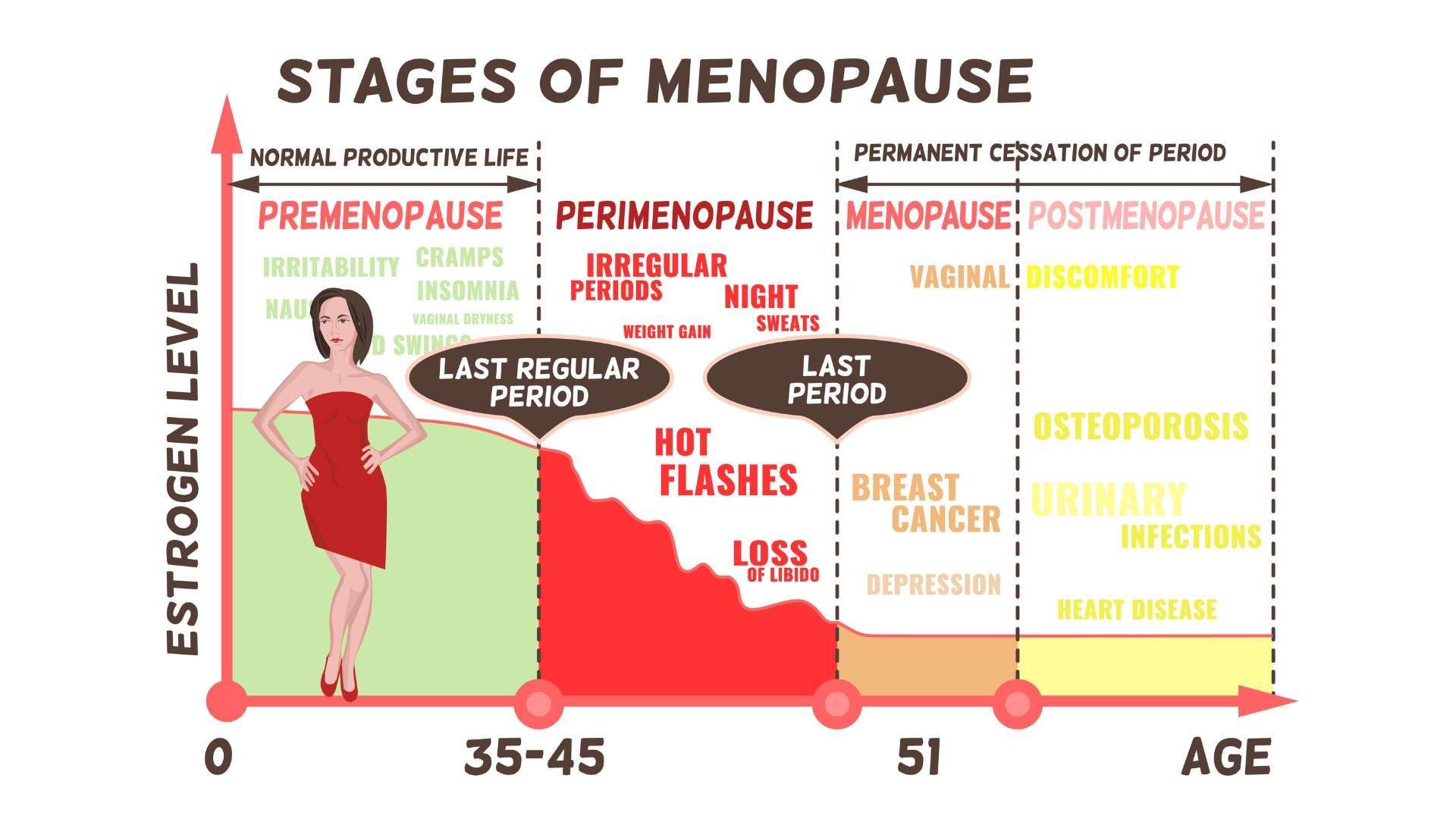
What is the difference between perimenopause and menopause? Perimenopause is the transitional phase leading up to menopause, during which hormone levels begin to fluctuate. Menopause is officially reached when a woman has gone 12 consecutive months without a period. Symptoms often begin years before menopause actually arrives.
Is hormone imbalance related to thyroid problems? Yes. Thyroid dysfunction is one of the most common contributors to hormone-related symptoms in women and is frequently overlooked. Thyroid hormones affect metabolism, energy, mood, and the function of other hormonal systems.
Can stress really cause a hormone imbalance? Absolutely. Chronic stress keeps cortisol elevated, which disrupts sleep, increases inflammation, affects blood sugar, and suppresses reproductive hormones. Managing stress is a foundational part of restoring hormonal balance.
FAQs About Genesis Center for Women's Health
What is the Genesis Wellness program? The Genesis Wellness program is a personalized, root-cause approach to women's health built around five pillars: detox, fitness, nutrition, hormones, and mentoring. It goes beyond traditional care to help women achieve lasting wellness and vitality. Learn more at our wellness program page.
Where is Genesis Center for Women's Health located? We are located at 151 N Sunrise Avenue, Suite 1411, Roseville, CA 95661.
How do I schedule an appointment or consultation? You can schedule online at our patient portal or call us at (279) 888-6900.
Does Genesis accept insurance? Genesis offers both traditional gynecological care and a wellness program. The wellness program operates outside of traditional insurance as a personal health investment. Contact our team for more information about your specific situation.
Can I read what other patients are saying about Genesis? Yes! Visit our reviews page to hear from real women about their experience with our team.
You Deserve to Feel Like Yourself Again
Hormone imbalance is not something you have to push through alone or accept as just part of getting older. The symptoms are real, they are common, and they are very often addressable with the right support and the right approach.
If any of what you read here sounds familiar, we'd love to connect with you. Reach out to our team or schedule a consultation online to take the first step toward feeling genuinely well again.
Genesis Center for Women's Health 151 N Sunrise Avenue, Suite 1411, Roseville, CA 95661 Phone: (279) 888-6900 | Fax: (279) 888-6901
Disclaimer:
The information provided on this blog is for general informational purposes only and is not intended as, and should not be considered, medical advice. All information, content, and material available on this blog are for general informational purposes only. Readers are advised to consult with a qualified healthcare professional for medical advice, diagnosis, or treatment. The author and the blog disclaim any liability for the decisions you make based on the information provided. Always seek the advice of your physician or other qualified health provider with any questions you may have regarding a medical condition.