Perimenopause Symptoms: What's Normal, What's Not, and What You Can Do
Key Points
- Perimenopause is the transitional phase before menopause and can last anywhere from 2 to 10 years
- Symptoms are driven by fluctuating estrogen and progesterone levels and can affect nearly every system in the body
- Common symptoms include irregular periods, hot flashes, sleep disruption, mood changes, and brain fog
- You do not have to just push through it -- personalized support can make a significant difference
- Genesis Center for Women's Health offers hormone-aware, whole-body wellness care for women in Roseville, CA and the greater Sacramento area
Nobody Warned You It Would Start This Early
You're in your early 40s. Maybe your late 30s. Your periods have gotten a little unpredictable. You wake up at 3am for no apparent reason. Your mood feels harder to manage than it used to. You're tired in a way that sleep doesn't fix.
You might have chalked it all up to stress, a busy season of life, or just getting older. But there's a good chance perimenopause has already begun -- and nobody told you what to look for.
Perimenopause is one of the most significant hormonal transitions in a woman's life, and it's also one of the least talked about. Most women know menopause is coming eventually, but very few are prepared for the years of hormonal shifting that lead up to it. That's what we're here to change.
At Genesis Center for Women's Health, we believe that understanding what your body is going through is the first step toward feeling better. So let's break it all down.
What Is Perimenopause, Exactly?
Perimenopause literally means "around menopause." It's the transitional phase during which your ovaries gradually begin producing less estrogen and progesterone, eventually leading to menopause itself.
Menopause is officially defined as the point when you have gone 12 consecutive months without a period. Everything leading up to that point is perimenopause.
Here's what surprises most women: perimenopause can begin as early as the mid-30s, though it most commonly starts in the early to mid-40s. And it can last anywhere from 2 to 10 years. That's a long time to feel like your body is doing something you don't quite recognize -- especially without the right support.
The hormonal fluctuations during perimenopause are not a steady decline. Estrogen levels rise and fall erratically before eventually tapering off for good. That unpredictability is a big reason why symptoms can feel so inconsistent and hard to pin down.
The Most Common Perimenopause Symptoms
Perimenopause symptoms can range from mildly inconvenient to genuinely disruptive to daily life. Here's what to watch for across different areas of the body.
Irregular Periods
This is often the first sign women notice. Your cycle may become shorter or longer, heavier or lighter, or simply less predictable than it's been your whole adult life. You might skip a month entirely and then have two periods close together. These changes reflect the fluctuating hormone levels that define perimenopause.
While irregular periods during this phase are normal, it's always worth checking in with your provider to rule out other causes and make sure nothing else is going on.
Hot Flashes and Night Sweats
Hot flashes are one of the most commonly recognized perimenopause symptoms. They involve a sudden feeling of intense heat, often in the upper body and face, that can last anywhere from a few seconds to several minutes. They may be accompanied by sweating, a rapid heartbeat, or a feeling of flushing.
When hot flashes happen at night, they are called night sweats -- and they can seriously disrupt sleep even if you don't fully wake up enough to remember them in the morning.
Hot flashes are caused by changes in the brain's temperature regulation system driven by declining estrogen. Not every woman experiences them, but for many, they are one of the most disruptive parts of the perimenopause transition.
Sleep Problems
Sleep disruption is incredibly common during perimenopause and is often underestimated as a symptom. Night sweats are one contributor, but falling estrogen and progesterone levels also directly affect sleep quality even without temperature disruptions.
Progesterone has a natural calming, sleep-promoting effect. As it declines, many women find themselves lying awake, waking in the early morning hours, or simply not reaching the deep, restorative sleep stages they used to. Poor sleep then compounds almost every other perimenopause symptom, creating a cycle that can be hard to break without targeted support.
Mood Changes, Anxiety, and Irritability
If you've been feeling more anxious, emotional, or short-tempered lately and can't quite explain why, your hormones may be a significant factor. Estrogen has a meaningful influence on serotonin and other neurotransmitters that regulate mood. As levels fluctuate, so can emotional stability.
Many women describe feeling like they've lost access to the even-keeled version of themselves they're used to. Mood swings, increased sensitivity, and a lower threshold for frustration are all common perimenopausal experiences. So is a new or worsening sense of anxiety, particularly in women who have never struggled with anxiety before.
This is one of the areas where the Genesis Wellness program's mentoring and hormonal support pillars can make a real difference -- because addressing the underlying hormonal drivers of mood changes is far more effective than trying to manage the symptoms in isolation.
Brain Fog and Memory Lapses
Forgetting words mid-sentence. Walking into a room and having no idea why. Struggling to concentrate in ways that feel new and unfamiliar. Brain fog is a very real and frequently reported perimenopausal symptom that catches many women completely off guard.
Estrogen plays an active role in cognitive function, memory, and mental clarity. As levels shift, many women notice changes in their ability to think sharply and recall information quickly. The good news is that for most women, this improves as hormone levels stabilize -- and there are meaningful lifestyle and nutritional strategies that can support brain health throughout the transition.
Low Libido and Vaginal Changes
Declining estrogen affects vaginal tissue directly, leading to changes in moisture, elasticity, and overall comfort. This can make intercourse uncomfortable or even painful, and combined with shifting hormones, it often contributes to a reduced interest in sex.
These are among the symptoms women are least likely to bring up with their provider -- but they are extremely common and very treatable. At Genesis, we offer dedicated support for vaginal health through our vaginal laser treatment services including MonaLisa Touch, which can meaningfully restore comfort and quality of life.
Weight Changes and Slowed Metabolism
Many women notice changes in their weight and body composition during perimenopause even without significant changes to their diet or exercise habits. Declining estrogen affects how the body stores fat, often shifting it toward the abdomen. At the same time, hormonal changes can affect insulin sensitivity and metabolic rate.
This is one of the most frustrating aspects of perimenopause for many women -- feeling like the rules have changed without anyone telling you. Understanding what's actually happening metabolically is where tools like our InBody Body Composition Scan become genuinely useful, giving you real data about your body rather than relying on the scale alone.
Hair and Skin Changes
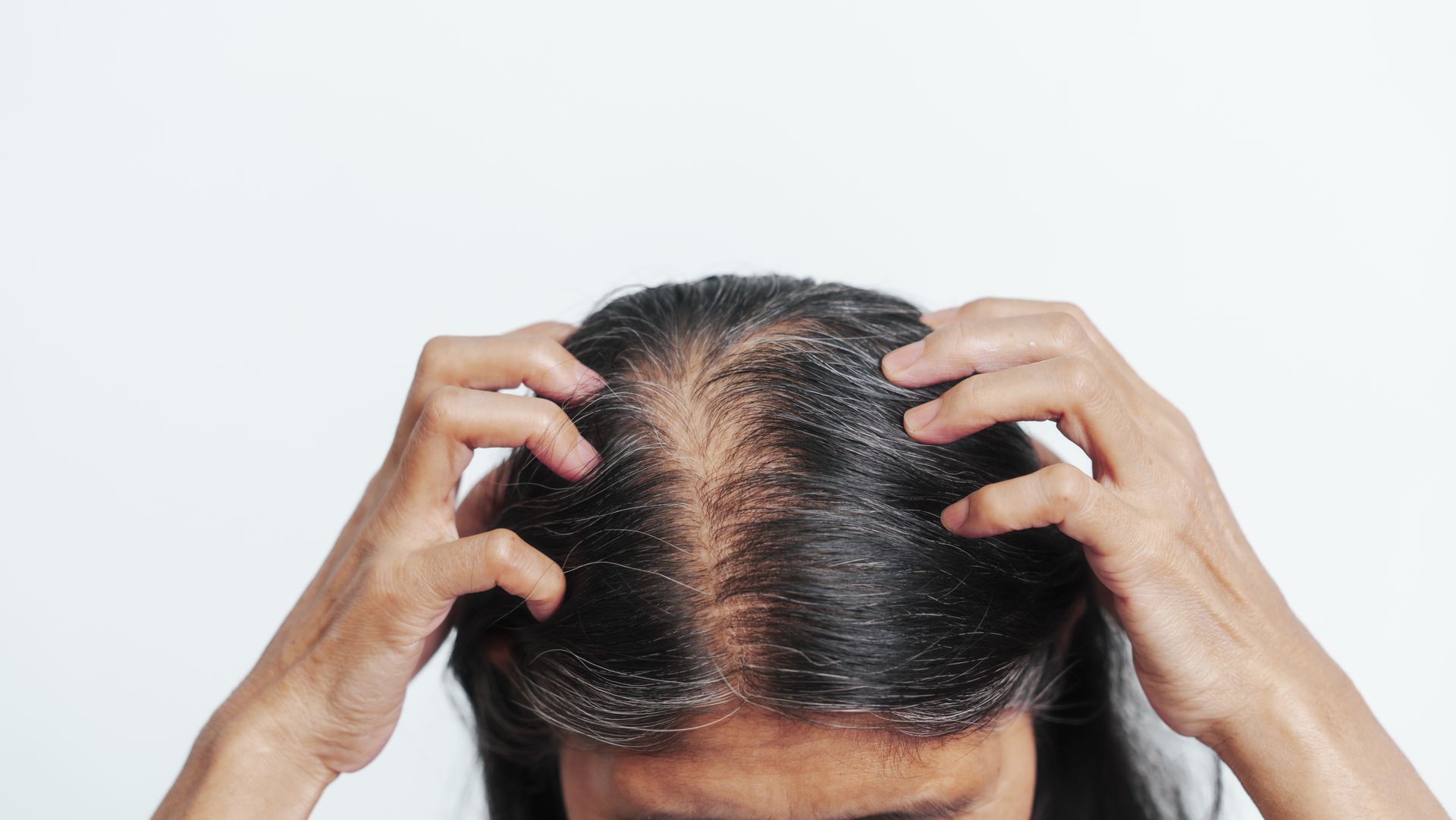
Estrogen supports both skin collagen production and healthy hair growth cycles. As levels decline, some women notice increased hair thinning or shedding, changes in skin texture and moisture, and a slower rate of skin cell turnover. These changes are real, they are hormonally driven, and they are addressable with the right approach.
Urinary Changes
Some women experience increased urinary urgency, frequency, or leakage during perimenopause. Declining estrogen affects the tissues of the bladder and urethra as well as the vagina, and pelvic floor changes can compound the issue. If urinary symptoms are affecting your daily life, our team offers dedicated urinary incontinence care as part of our women's health services.
Why Perimenopause Symptoms Get Missed or Dismissed
One of the most common experiences women report is bringing up these symptoms to a provider and being told it's just stress, or anxiety, or a normal part of aging. While it's true that perimenopause is a natural phase of life, that doesn't mean the symptoms are untreatable or that you should simply white-knuckle your way through years of disruption.
Part of the problem is that perimenopause doesn't look the same in every woman, and because estrogen levels fluctuate rather than drop in a straight line, standard lab work doesn't always tell the full story. A single FSH or estradiol reading can be misleading. What matters is the full clinical picture -- your symptoms, your history, your lifestyle, and what your body is telling you over time.
This is exactly the kind of nuanced, whole-person evaluation that the Genesis Wellness program is built around. Dr. Lystra Wilson-Celestine developed this program specifically because routine medical care so often leaves women feeling unheard and underserved during transitions exactly like this one.
What You Can Actually Do About Perimenopause Symptoms
The good news is that perimenopause symptoms are not something you just have to endure. There are meaningful, evidence-informed strategies that can help -- and the most effective approaches tend to address multiple systems at once rather than chasing individual symptoms.
Nutrition
What you eat has a direct impact on how your body manages hormonal fluctuations. Blood sugar stability, anti-inflammatory eating patterns, and adequate protein intake all play a role in how intense perimenopause symptoms feel. Our nutrition coaching services can help you build an eating approach that actually supports your body through this transition.
Movement and Fitness
Strength training in particular becomes increasingly important during perimenopause for protecting bone density, supporting metabolic health, maintaining muscle mass, and improving mood. A structured fitness evaluation can help you understand where to focus your efforts based on your current body composition and health goals.
Stress Management and Sleep Support
Cortisol and the reproductive hormones are deeply interconnected. Chronic stress keeps cortisol elevated, which further disrupts estrogen and progesterone balance. Prioritizing sleep hygiene, stress reduction, and nervous system support is not optional during perimenopause -- it's foundational. The mentoring pillar of the Genesis Wellness program addresses exactly this.
Hormonal Support
Depending on your symptoms, health history, and lab picture, hormonal support may be an appropriate part of your care plan. This is a nuanced conversation that deserves a thoughtful, personalized approach -- not a one-size-fits-all answer. Our team at Genesis can help you understand your options and make an informed decision.
Targeted Treatments for Specific Symptoms
For vaginal dryness and discomfort, MonaLisa Touch offers a non-hormonal, clinically proven option. For urinary symptoms, dedicated pelvic floor and incontinence care can provide real relief. For hair thinning, the Xtresse Hair Therapy System we now offer addresses the follicle-level changes that perimenopause can trigger. You can explore our full range of services to see the complete picture of what's available to you.
FAQs About Xtresse Hair Therapy
What makes Xtresse different from other hair supplements? Most hair supplements rely heavily on biotin and basic vitamins. Xtresse is biotin-free and instead uses a proprietary blend of regenerative compounds including NAD+, taurine, pumpkin seed extract, and saw palmetto that work at the cellular and follicular level. It also includes a professional-grade in-office treatment component that most supplements simply don't offer.
Is Xtresse safe for women going through menopause? Yes. Xtresse was specifically developed with women's hormonal health in mind. The ingredients address DHT sensitivity, inflammation, oxidative stress, and cellular energy -- all of which are particularly relevant during the hormonal transitions of perimenopause and menopause.
Why is Xtresse biotin-free? Biotin is one of the most overused ingredients in hair supplements despite limited evidence supporting its effectiveness in women who are not biotin-deficient. High-dose biotin can also interfere with certain lab tests. Xtresse skips biotin in favor of ingredients with stronger science behind them.
How long does it take to see results? Hair growth is a slow process at the cellular level. Most women are encouraged to commit to at least three months of consistent use to evaluate results, though some notice improvements in shedding and hair texture sooner.
Do I need all three parts of the system? The gummies can be used as a standalone daily supplement, and many women start there. Adding the serum and in-office Xvie treatment provides a more comprehensive approach for those dealing with more significant thinning or who want to accelerate results.
Is Xtresse available without a prescription? Yes. The gummies and serum are available through qualified medical and professional practices like Genesis. The Xvie in-office treatment is administered by our team.
FAQs About Genesis Center for Women's Health
Where is Genesis Center for Women's Health located? We are located at 151 N Sunrise Avenue, Suite 1411, Roseville, CA 95661.
How do I schedule an appointment? You can book online at our patient portal or call us at (279) 888-6900.
What is the Genesis Wellness program? The Genesis Wellness program is a personalized, root-cause approach to women's health built around five pillars: detox, fitness, nutrition, hormones, and mentoring. Learn more at our wellness program page.
What other services does Genesis offer? We offer a full range of women's health services including gynecology, family planning, surgical procedures, urinary incontinence care, pelvic prolapse treatment, vaginal laser treatment, aesthetics, and more. Visit our services page for details.
Can I read reviews from other Genesis patients? Yes! Visit our reviews page to hear from real women in our community.
Ready to Take a Smarter Approach to Hair Health?
If your hair has been changing and you're ready to do something about it that actually addresses what's going on beneath the surface, we'd love to talk. Xtresse is now available at Genesis Center for Women's Health as part of our commitment to whole-body wellness for women at every stage of life.
Schedule your appointment online or contact our team to learn more. We're here and ready to help.
Genesis Center for Women's Health 151 N Sunrise Avenue, Suite 1411, Roseville, CA 95661 Phone: (279) 888-6900 | Fax: (279) 888-6901
Disclaimer:
The information provided on this blog is for general informational purposes only and is not intended as, and should not be considered, medical advice. All information, content, and material available on this blog are for general informational purposes only. Readers are advised to consult with a qualified healthcare professional for medical advice, diagnosis, or treatment. The author and the blog disclaim any liability for the decisions you make based on the information provided. Always seek the advice of your physician or other qualified health provider with any questions you may have regarding a medical condition.