
Menopause Weight Gain: Why It Happens and What Actually Helps
Key Points
- Menopause weight gain is real, common, and driven by hormonal shifts -- not personal failure
- Declining estrogen changes where and how the body stores fat, particularly around the abdomen
- Metabolism, insulin sensitivity, sleep, and muscle mass all shift during this transition
- Generic diet advice often fails during menopause because the rules genuinely change
- The Genesis Wellness program in Roseville, CA offers personalized, hormone-aware support for women navigating this transition
You Haven't Changed That Much. So Why Has Your Body?
You're eating the way you always have. You're moving your body. You're doing what worked before. And yet the scale keeps creeping up, your clothes fit differently, and the weight seems to be settling right in the middle in a way it never did before.
If this sounds familiar, you are not alone -- and more importantly, you are not doing anything wrong.
Menopause weight gain is one of the most common concerns women bring to their providers during the menopausal transition, and it is also one of the most misunderstood. It is not simply about eating too much or moving too little. It is a physiological shift driven by real hormonal changes that affect how your body processes energy, stores fat, builds muscle, and regulates metabolism.
Understanding what's actually happening is the first step toward doing something effective about it. At Genesis Center for Women's Health, we work with women every day who are frustrated by changes in their body that conventional advice has completely failed to address. This post is for them -- and for you.
What Is Actually Happening to Your Body During Menopause
To understand menopause weight gain, it helps to understand what menopause is doing to your hormonal landscape.
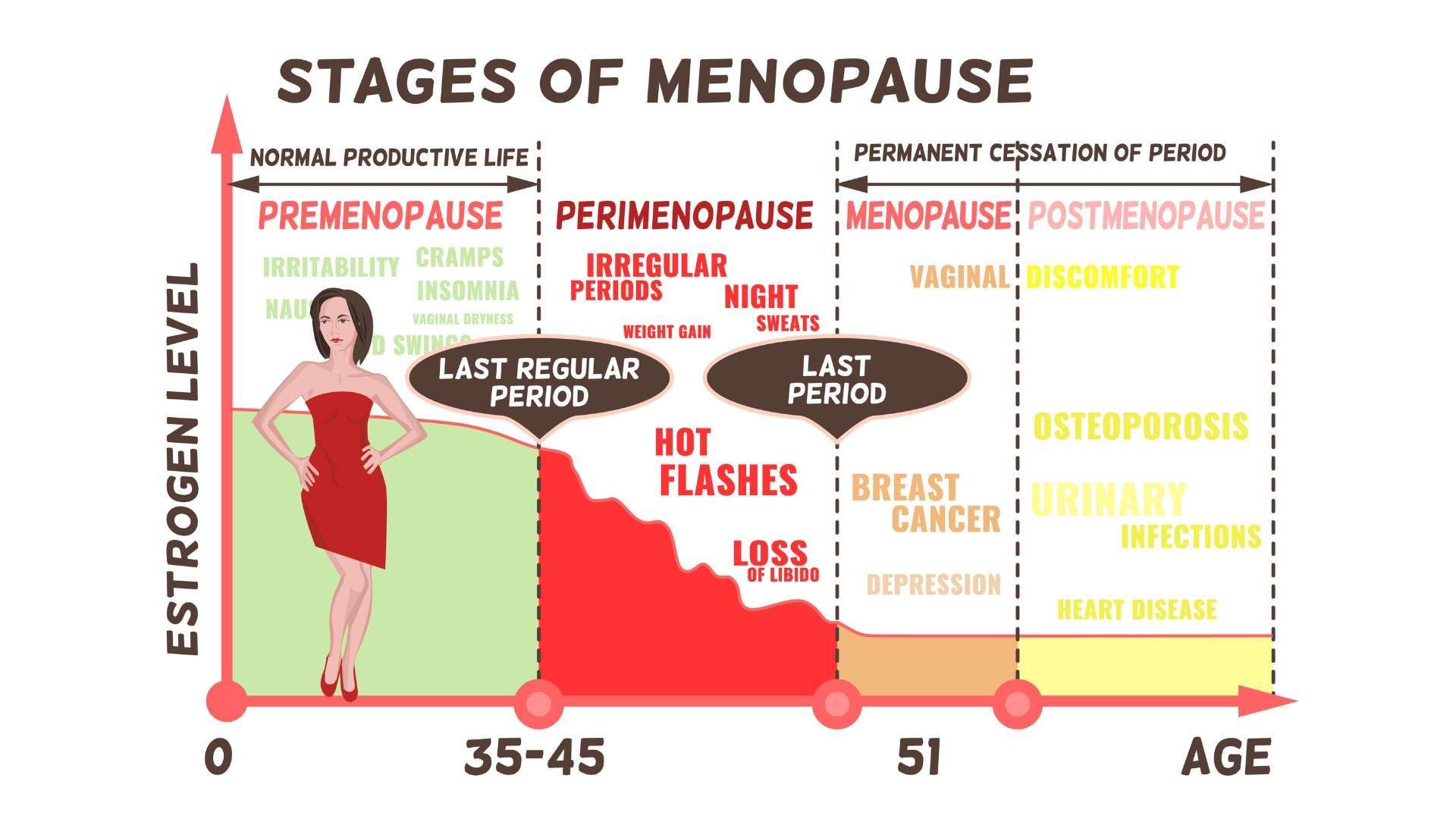
Menopause marks the end of the reproductive years, officially defined as 12 consecutive months without a period. But the hormonal changes that drive menopausal symptoms -- including weight changes -- begin years earlier during perimenopause, when estrogen and progesterone levels start fluctuating and eventually declining.
Estrogen is not just a reproductive hormone. It plays a significant role in metabolism, fat distribution, insulin sensitivity, bone density, cardiovascular health, and even how the brain regulates appetite and energy use. When estrogen declines, the ripple effects touch nearly every system in the body.
Here is what that actually looks like in practice.
Why Menopause Changes Your Body Composition
Fat Distribution Shifts Toward the Abdomen
Before menopause, estrogen tends to direct fat storage toward the hips, thighs, and buttocks -- the classic pear-shaped distribution. As estrogen declines, fat storage patterns shift toward the abdomen, creating what many women describe as a new "middle" that wasn't there before.
This isn't just a cosmetic change. Abdominal fat -- particularly visceral fat, which surrounds the internal organs -- is metabolically active in ways that increase risk for cardiovascular disease, insulin resistance, and inflammation. This is one of the reasons that managing menopause weight gain matters beyond appearance.
Muscle Mass Declines Naturally With Age
Starting in the mid-30s and accelerating through menopause, women begin to lose muscle mass in a process called sarcopenia. Estrogen plays a protective role in muscle tissue, so its decline speeds this process up. Less muscle means a slower resting metabolism, because muscle burns more calories at rest than fat does.
This is a key reason why the strategies that worked for weight management in your 30s may no longer be effective. If your calorie needs have decreased because you're carrying less muscle, eating the same way you always have can result in gradual weight gain even without any change in behavior.
This is exactly why tools like our InBody Body Composition Scan are so valuable during this transition. Rather than relying on the scale alone, the InBody gives you a detailed picture of your actual muscle mass, body fat percentage, and hydration levels -- so you know exactly what you're working with and can make targeted decisions rather than guessing.
Insulin Sensitivity Decreases
Estrogen helps the body use insulin effectively. As estrogen declines, many women become less insulin sensitive, meaning the body has to produce more insulin to manage blood sugar after eating. Higher circulating insulin promotes fat storage, particularly in the abdomen, and makes it harder for the body to access stored fat for energy.
This is why blood sugar balance becomes especially important during and after menopause -- and why a nutrition approach designed for this phase of life looks different from generic healthy eating advice.
Metabolism Slows
The combination of muscle loss, hormonal shifts, and changes in thyroid function that can accompany menopause results in a measurably slower metabolic rate for many women. Your body simply requires fewer calories to maintain basic functions than it did a decade ago. This isn't a character flaw -- it's biology.
Cortisol Becomes More Disruptive
Chronic stress was never great for weight management, but during menopause it becomes even more problematic. Cortisol, the primary stress hormone, promotes abdominal fat storage, disrupts sleep, increases appetite for calorie-dense foods, and interferes with the hormonal balance that's already under pressure. Managing cortisol is not optional during menopause -- it's a core part of the picture.
Sleep Disruption Compounds Everything
Poor sleep affects hunger hormones directly, increasing ghrelin (which stimulates appetite) and decreasing leptin (which signals fullness). Many menopausal women are sleeping poorly due to night sweats, insomnia, or simply lighter, less restorative sleep -- and then fighting increased hunger and cravings the next day as a result. It becomes a cycle that's very hard to break without addressing the root causes.
Why Standard Diet Advice Often Fails During Menopause
Most conventional weight loss advice was developed on research done primarily in younger men or premenopausal women. It doesn't account for the specific metabolic and hormonal environment of menopause -- and that's a big part of why so many women feel like they're doing everything right and still not seeing results.
Cutting calories aggressively, for example, can backfire during menopause by further reducing muscle mass and slowing metabolism even more. High-intensity exercise without adequate recovery can spike cortisol and make hormonal imbalance worse. Low-fat diets can actually deprive the body of the building blocks it needs to produce hormones.
What works during menopause requires a different lens -- one that accounts for hormonal status, metabolic rate, insulin sensitivity, stress load, sleep quality, and muscle preservation all at the same time. That's exactly the kind of whole-body, personalized approach that the Genesis Wellness program is designed to provide.
What Actually Helps With Menopause Weight Gain
The good news is that while the hormonal changes of menopause are real, their impact on your body is not fixed. There are meaningful, evidence-informed strategies that can help -- and they work best when applied together rather than in isolation.
Prioritize Protein at Every Meal
Adequate protein intake becomes more important during menopause for several reasons. Protein supports muscle preservation, keeps blood sugar stable, reduces cravings, and has a higher thermic effect than carbohydrates or fat -- meaning your body burns more calories just digesting it. Most women are significantly under-eating protein relative to what their bodies need during this phase.
Strength Train Consistently
Resistance training is the single most effective tool for preserving and rebuilding muscle mass during and after menopause. It also improves insulin sensitivity, supports bone density, reduces abdominal fat, and boosts mood. If you're not strength training, this is the place to start. A fitness evaluation can help you understand where you are now and build a realistic, effective plan from there.
Balance Blood Sugar Throughout the Day
Reducing refined carbohydrates and added sugars, eating regular meals, pairing carbohydrates with protein and healthy fat, and avoiding long gaps between meals are all strategies that help stabilize insulin and reduce the hormonal conditions that promote fat storage. Our nutrition coaching services can help you build an eating approach tailored to where your body actually is right now.
Address Sleep Directly
If you're not sleeping well, weight management becomes significantly harder. This is worth treating as its own priority rather than something to sort out after everything else. Improving sleep hygiene, addressing night sweats, and supporting the hormonal drivers of insomnia can all have meaningful downstream effects on appetite, energy, and body composition.
Manage Stress as a Health Priority
Cortisol management is not a luxury -- it's a metabolic necessity during menopause. Practices that support the nervous system, reduce chronic stress load, and promote recovery are not just good for your mental health. They directly affect how your body stores and uses fat. The mentoring pillar of the Genesis Wellness program addresses this dimension of health intentionally.
Get a Clear Picture of Your Body Composition
Weight on the scale tells you very little about what's actually happening with your muscle mass, fat distribution, and metabolic health. An InBody Body Composition Scan gives you precise, actionable data so that your plan is based on what your body actually needs rather than generic recommendations.
Consider Whether Hormonal Support Is Right for You
For some women, hormonal support is an appropriate and meaningful part of managing the metabolic changes of menopause. This is a nuanced conversation that depends on your individual health history, symptoms, and goals. Our team at Genesis can help you understand your options and make an informed, personalized decision rather than a one-size-fits-all choice.
What the Genesis Wellness Program Offers
The Genesis Wellness program was built by Dr. Lystra Wilson-Celestine around the belief that women deserve care that addresses the full picture of their health -- not just isolated symptoms managed one at a time.
For women dealing with menopause weight gain, the program brings together all five pillars of wellness in a coordinated way:
Hormones -- evaluating and supporting the hormonal landscape that is driving metabolic changes
Nutrition -- building a personalized eating approach designed for your menopausal metabolism, not a generic calorie target
Fitness -- developing a movement strategy focused on muscle preservation, metabolic health, and sustainable results
Detox -- supporting the body's natural ability to clear excess hormones and reduce inflammatory load
Mentoring -- providing the accountability, guidance, and whole-person support that makes lasting change possible
This integrated approach is what makes it different from following a diet plan or hitting the gym alone. When all five pillars work together, the results compound in a way that isolated strategies simply can't replicate.
You can also explore our full range of women's health services to see how the wellness program connects with the rest of our clinical care offerings.
FAQs About Perimenopause Symptoms
How do I know if I'm in perimenopause? The most common early signs are irregular periods, sleep disruption, mood changes, and hot flashes in a woman in her late 30s to mid-40s. Because estrogen levels fluctuate, a single lab test is not always conclusive. A comprehensive symptom review with a knowledgeable provider is the best starting point.
What is the average age perimenopause starts? Most women begin perimenopause in their early to mid-40s, though it can start as early as the mid-30s. The average duration is four to eight years, though it can be shorter or longer.
Can perimenopause cause anxiety? Yes. Fluctuating estrogen directly affects neurotransmitter systems that regulate mood and anxiety. Many women experience new or worsened anxiety during perimenopause that has a clear hormonal component.
Is perimenopause the same as menopause? No. Perimenopause is the transitional phase leading up to menopause. Menopause is officially reached after 12 consecutive months without a period. Perimenopause can last several years and involves the most pronounced hormonal fluctuations.
Can I still get pregnant during perimenopause? Yes. Ovulation can still occur during perimenopause, even with irregular cycles. Contraception is still important during this phase if pregnancy is not desired. Our team can discuss family planning options appropriate for this stage of life.
What makes perimenopause symptoms worse? Chronic stress, poor sleep, a diet high in processed foods and sugar, alcohol, smoking, and a sedentary lifestyle can all amplify perimenopause symptoms. Addressing these lifestyle factors is often one of the most impactful things a woman can do during this transition.
How is perimenopause different from thyroid problems? Many perimenopausal symptoms overlap with thyroid dysfunction, including fatigue, weight changes, mood shifts, and brain fog. A thorough evaluation should include thyroid testing to rule this out, as the two conditions can also occur together.
Do perimenopause symptoms go away on their own? Many symptoms improve as hormone levels eventually stabilize in postmenopause. However, for some women symptoms can persist for years, and for others the impact on quality of life during the transition is significant enough to warrant active support rather than watchful waiting.
FAQs About Genesis Center for Women's Health
What makes Genesis different from a standard OB-GYN practice? Genesis offers both traditional gynecological care and a dedicated wellness program built around the five pillars of detox, fitness, nutrition, hormones, and mentoring. For women navigating perimenopause, this whole-body approach addresses the full range of what they're experiencing rather than treating each symptom in isolation. Learn more on our about our philosophy page.
Does Genesis treat perimenopause specifically? Yes. Hormonal health and the transitions of perimenopause and menopause are central to the care we provide through the Genesis Wellness program.
Where is Genesis Center for Women's Health located? We are located at 151 N Sunrise Avenue, Suite 1411, Roseville, CA 95661, serving women throughout the greater Sacramento area.
How do I schedule an appointment? You can book online at our patient portal or call us at (279) 888-6900.
Can I read what other patients say about Genesis? Absolutely. Visit our reviews page to hear from women who have been through our program.
You Deserve More Than "That's Just Part of Getting Older"
Perimenopause is a natural transition -- but natural doesn't mean you have to struggle through it alone or without support. The symptoms are real, they are hormonally driven, and with the right care, they are very often manageable.
If any of what you've read here sounds like what you've been experiencing, we would love to connect with you. The team at Genesis Center for Women's Health is here to listen, evaluate the full picture, and help you build a plan that actually fits your life and your body.
Schedule your appointment online or contact our team to take the first step.
Genesis Center for Women's Health 151 N Sunrise Avenue, Suite 1411, Roseville, CA 95661 Phone: (279) 888-6900 | Fax: (279) 888-6901
Disclaimer:
The information provided on this blog is for general informational purposes only and is not intended as, and should not be considered, medical advice. All information, content, and material available on this blog are for general informational purposes only. Readers are advised to consult with a qualified healthcare professional for medical advice, diagnosis, or treatment. The author and the blog disclaim any liability for the decisions you make based on the information provided. Always seek the advice of your physician or other qualified health provider with any questions you may have regarding a medical condition.